
Where Mule Deer Live in Texas (and Why It Matters)

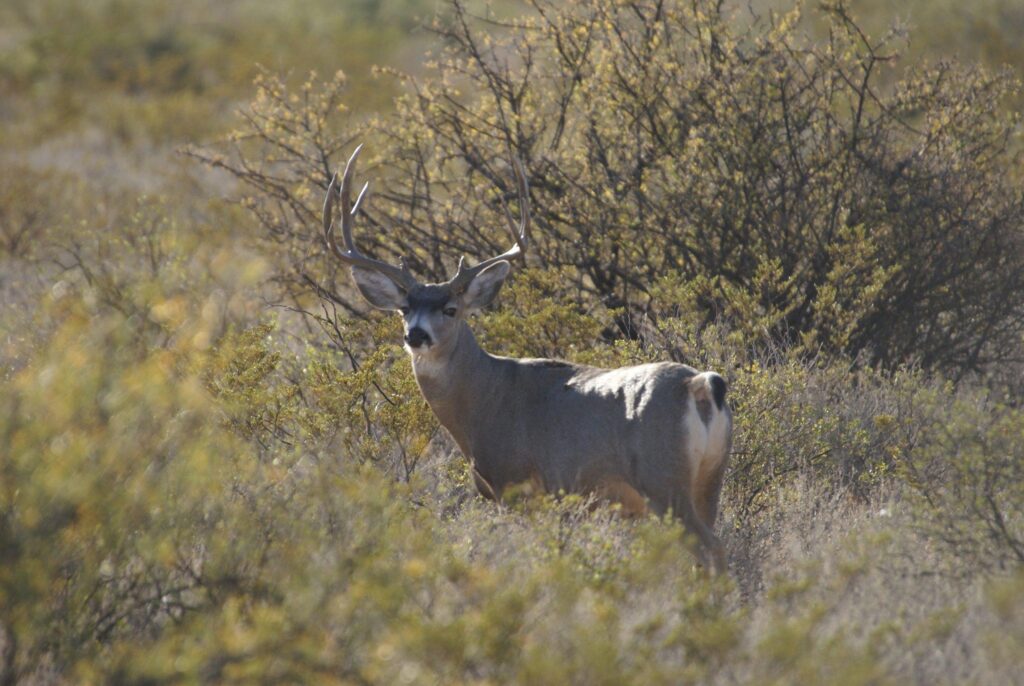
In Texas, mule deer are mostly found in the Trans-Pecos region and parts of the Panhandle. Think dry, rugged, brush-heavy country where most people wouldn’t willingly build a Starbucks.
That’s important because mule deer evolved for arid environments, not a lush whitetail paradise. They rely heavily on browse (shrubs and woody plants), not just grass.
If your ranch doesn’t look at least a little harsh and unforgiving, you’re already working against nature.
What Mule Deer Actually Eat

Mule deer are selective feeders. Not picky in a fancy way, more like survival-driven efficiency.
Their diet typically includes:
1. Browse (their main food source)
- Mesquite leaves
- Mountain mahogany
- Hackberry
- Oak (in some regions)
- Sagebrush
This is the backbone of their nutrition. If your land doesn’t have quality browse, throwing corn at the problem won’t fix it.
2. Forbs (high-protein plants)
- Wildflowers
- Broadleaf weeds
- Seasonal herbaceous plants
These are like protein shakes for deer, especially important in spring and early summer.
3. Succulents
- Prickly pear cactus
- Yucca
Yes, they eat cactus. No, they don’t complain about it.
4. Grasses (limited role)
Unlike whitetails, mule deer don’t rely heavily on grasses. They’ll eat them when needed, but it’s not their primary fuel.
Seasonal Diet Changes (Because Nature Loves Complicating Things)
- Spring: Forbs dominate (high protein for antler growth and lactation)
- Summer: Mix of browse and forbs
- Fall: Transition to more browse
- Winter: Heavy reliance on woody plants and shrubs
If you’re trying to “help” mule deer, you need to think seasonally, not just dump feed year-round like you’re running a gas station.
How to Feed Mule Deer on a Ranch (Without Making Things Worse)

Here’s where most ranch owners mess it up.
Feeding mule deer is not about feeding. It’s about habitat + strategic supplementation.
Fix the Habitat First (non-negotiable)
If you ignore this and jump to feeders, you’re basically putting a band-aid on a broken ecosystem.
What to do:
- Manage brush, don’t clear it all
- Encourage native shrubs (mesquite, hackberry, etc.)
- Control overgrazing by cattle
- Promote plant diversity
The goal is simple: make your land naturally feed deer year-round
Use Protein Feed (but don’t get lazy)
If you supplement, use:
- 16%–20% protein pellets
- Designed specifically for deer
Avoid:
- Straight corn (low protein, high energy, basically junk food)
Protein matters for:
- Antler growth
- Fawn development
- Overall herd health
But here’s the catch: overfeeding can create dependency and even harm natural movement patterns. So congrats, even helping requires restraint.
Establish Food Plots (if your land allows it)
In parts of Texas where rainfall cooperates, plant:
- Alfalfa
- Clover
- Chicory
- Winter wheat or oats
- Cottonseed
These act as nutritional boosters, especially during stress periods.
If your ranch is deep in arid West Texas, though, forcing food plots is like trying to grow a golf course in Mars. Work with the land, not your Pinterest dreams.
Provide Water Sources (underrated but critical)
Mule deer can survive dry conditions, but water access improves:
- Survival rates
- Body condition
- Fawn success
Options:
- Wildlife guzzlers
- Stock tanks
- Small ponds
Water + cover nearby = deer activity hub.
Mineral Supplements (small but useful edge)
Mineral blocks or loose minerals can help with:
- Antler development
- Bone health
But don’t expect miracles. Minerals are a supplement, not a fix for poor nutrition.
What NOT to Do (Common Mistakes)
Let’s save you time and money:
- Dumping corn and calling it “management”
- Overfeeding and creating artificial population spikes
- Removing too much brush because “it looks cleaner”
- Ignoring drought cycles
- Treating mule deer like whitetails (they’re not the same animal)
This is how people accidentally make things worse while feeling productive.
The Real Goal: Sustainability Over Short-Term Gains
If your goal is bigger bucks only, you’ll probably cut corners.
If your goal is a healthy, sustainable mule deer population, then:
- Habitat comes first
- Nutrition comes second
- Patience comes third (and most people fail here)
Mule deer in Texas are dealing with habitat loss, drought, and pressure. A well-managed ranch can actually make a measurable difference.
Helping mule deer isn’t about throwing feed at them and feeling like a hero. It’s about understanding their biology, respecting the land, and managing both intelligently.
Do it right, and your ranch becomes part of the solution.
Do it wrong, and you’re just running an overpriced buffet with unintended consequences.
Nature keeps score, even if Instagram doesn’t.